
 |
| Credit - Aus cricket |
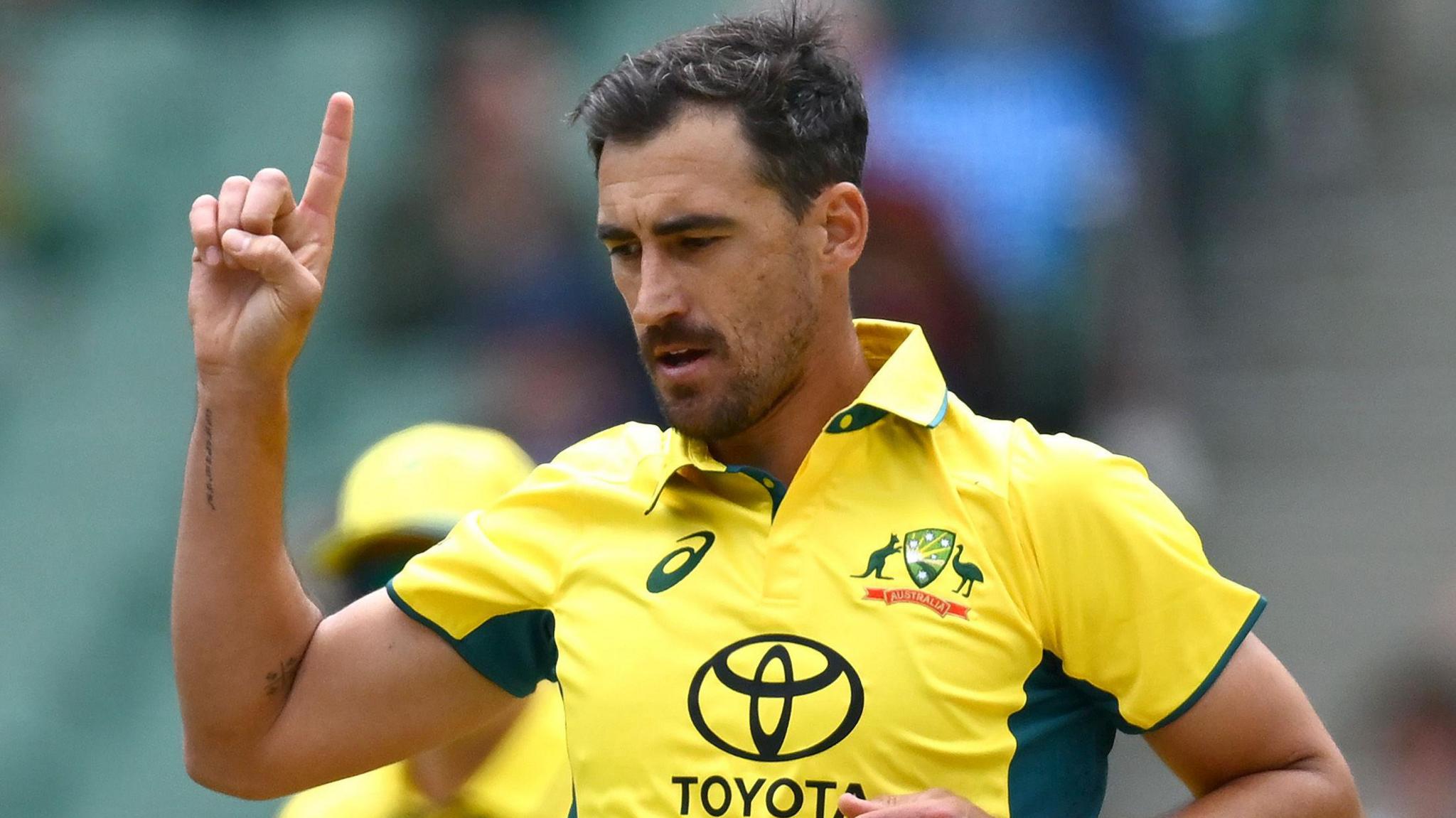
The increasing trend of high-profile players withdrawing from the IPL at the last moment has become a serious concern for franchises and fans alike. When players like Mitchell Starc or Ben Duckett pull out just days before the tournament—often citing workload management or international commitments—it raises an obvious question: why are these decisions not made earlier?
These are not sudden injuries or unavoidable emergencies. They are calculated choices that could have been anticipated well in advance. For franchises, however, the timing couldn’t be worse. Teams are built strategically during the auction, with specific roles and combinations in mind. A late withdrawal doesn’t just remove a player—it disrupts the entire team balance, forcing management into rushed replacements that rarely match the original plan.
Financially, it’s also a blow. Franchises invest heavily, not just in terms of money but also in branding and fan expectations around marquee players. When those players exit at the last minute, it damages both competitive integrity and fan engagement.
This ongoing pattern suggests a deeper structural issue. The IPL, while lucrative, still competes with international schedules and player workload concerns. Unless stricter commitment windows or more accountable contract clauses are introduced, franchises will continue to bear the brunt of these late decisions.
At its core, this isn’t just about a few withdrawals—it’s about trust, planning, and the long-term sustainability of the league’s competitive balance.

0 Comments
Please comment here!