
 |
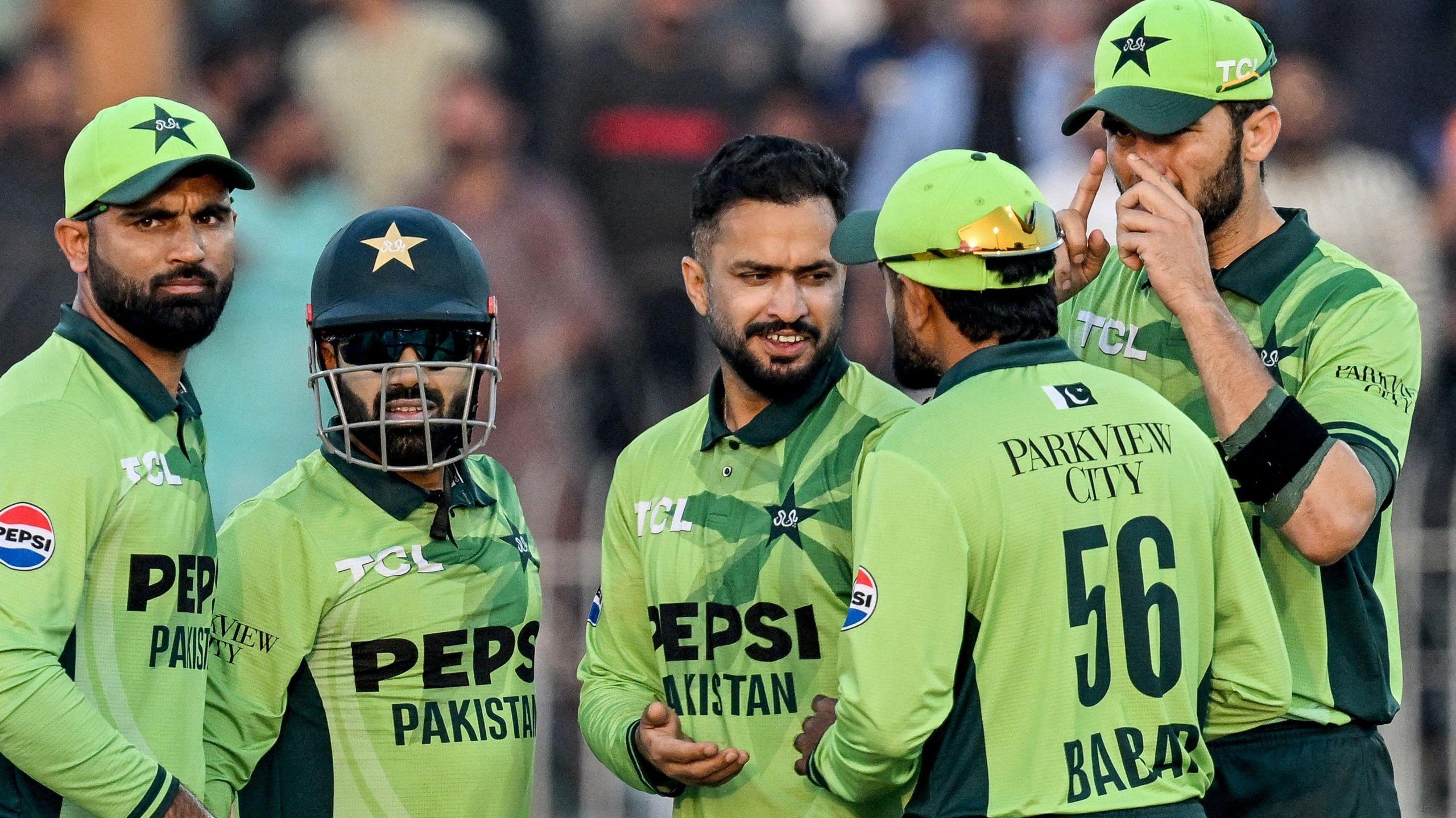
| Image: PCB Media |
The recent chatter about Pakistan potentially boycotting the India–Pakistan fixture at the Cricket World Cup has generated headlines, but the reality is more nuanced. Let’s break it down with analysis.
What’s Actually Being Discussed
Pakistan is not considering boycotting the entire World Cup. The speculation centers on the idea of forfeiting the India match as a symbolic protest. The argument is that skipping the game would deny India and the BCCI the financial windfall associated with cricket’s most-watched rivalry.
Why That Argument Doesn’t Hold
This claim misunderstands how ICC event revenues work.
- All broadcast and sponsorship income from ICC tournaments goes into a central pool.
- The ICC redistributes this among member boards, including Pakistan.
- The BCCI’s financial strength comes primarily from bilateral series, domestic cricket, and the IPL—not ICC events.
So, forfeiting the match would not hurt India financially. Instead, it would reduce Pakistan’s own share of ICC revenue.
Consequences of Forfeiting
The sporting impact would be immediate and severe:
- Pakistan would automatically lose the match.
- Two crucial points would be forfeited.
- Net run rate calculations would be affected.
- Qualification chances would shrink dramatically.
In modern World Cups, where qualification often hinges on narrow margins, voluntarily giving up points is a major competitive disadvantage.
Wider Fallout
Beyond the points table, there are broader consequences:
- The ICC could impose contractual or commercial penalties.
- Sponsors and broadcasters would react negatively.
- Pakistan’s credibility as a reliable participant in global tournaments would be damaged.
- Administrative ties with the ICC could be strained.
These outcomes are standard in international sport and not unique to cricket.
Does It Pressure India?
Practically, no. India’s cricket economy is not reliant on a single fixture. While the India–Pakistan clash is a blockbuster event, the BCCI’s financial and administrative stability remains unaffected. The real impact would be on Pakistan’s campaign and governance credibility.
Why This Narrative Persists
The boycott talk reflects a recurring theme in Pakistan cricket: political and emotional narratives often overshadow cricketing priorities. Instead of focusing on preparation, domestic structure, and player development, public debate frequently shifts to symbolic gestures that generate visibility but offer no strategic gain.
Final Analysis
The idea of Pakistan forfeiting the India–Pakistan World Cup match may sound dramatic, but under scrutiny it collapses.
- It would not weaken India or the BCCI.
- It would damage Pakistan’s own chances, finances, and reputation.
In elite sport, outcomes matter more than intentions. And in this case, the outcome of a boycott would be entirely one-sided—hurting Pakistan far more than India.

0 Comments
Please comment here!